
EVENT
National Writers' Retreat: Powering Youth Environmental Literacy Through Networked Learning
May 25 – 29, 2026
Ottawa, ON
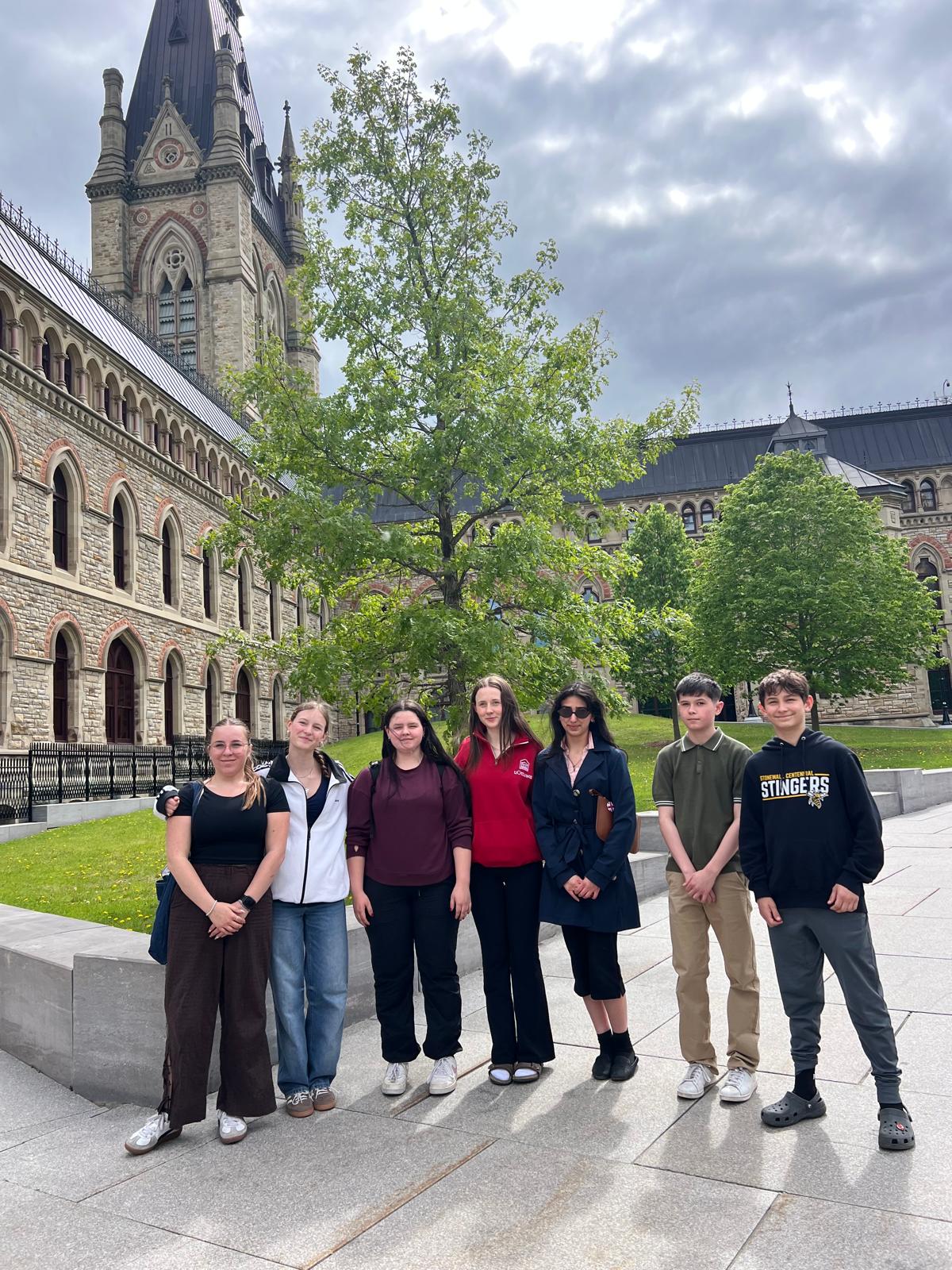
The National Writers' Retreat brought together students, teachers, researchers, and collaborators from across Canada for a week of collaborative writing, dialogue, curriculum development, and public engagement as part of the Powering Youth Environmental Literacy Through Networked Learning: Youth Deliberation for Energy Justice in Canada initiative.
Hosted at the University of Ottawa, the retreat provided dedicated time and space for youth and teachers to strengthen national partnerships while advancing educational policy and resources grounded in relationality and climate justice. Building on months of collaboration among 118 high school students from six provinces across Canada, a representative delegation developed and presented their policy brief, Our Planet is Not a Business: A Climate Action Call from Canada's Youth, using technology to include their peers back home.
The retreat also provided an important opportunity for everyone to put into dialogue their divergent energy contexts and ranging experiences with climate impacts, from living with wildfire smoke to watching lobster populations shift. Climate and energy systems are political topics in Canada, often resulting in hostility and opposition. At the retreat, students and educators worked together to cross political boundaries, sharing how fossil fuels shape their local contexts, what can be learned from Indigenous and community knowledges, and how youth can shape more just futures. Their final policy paper reflects significant effort to learn from one another and deliberate to create a shared response.
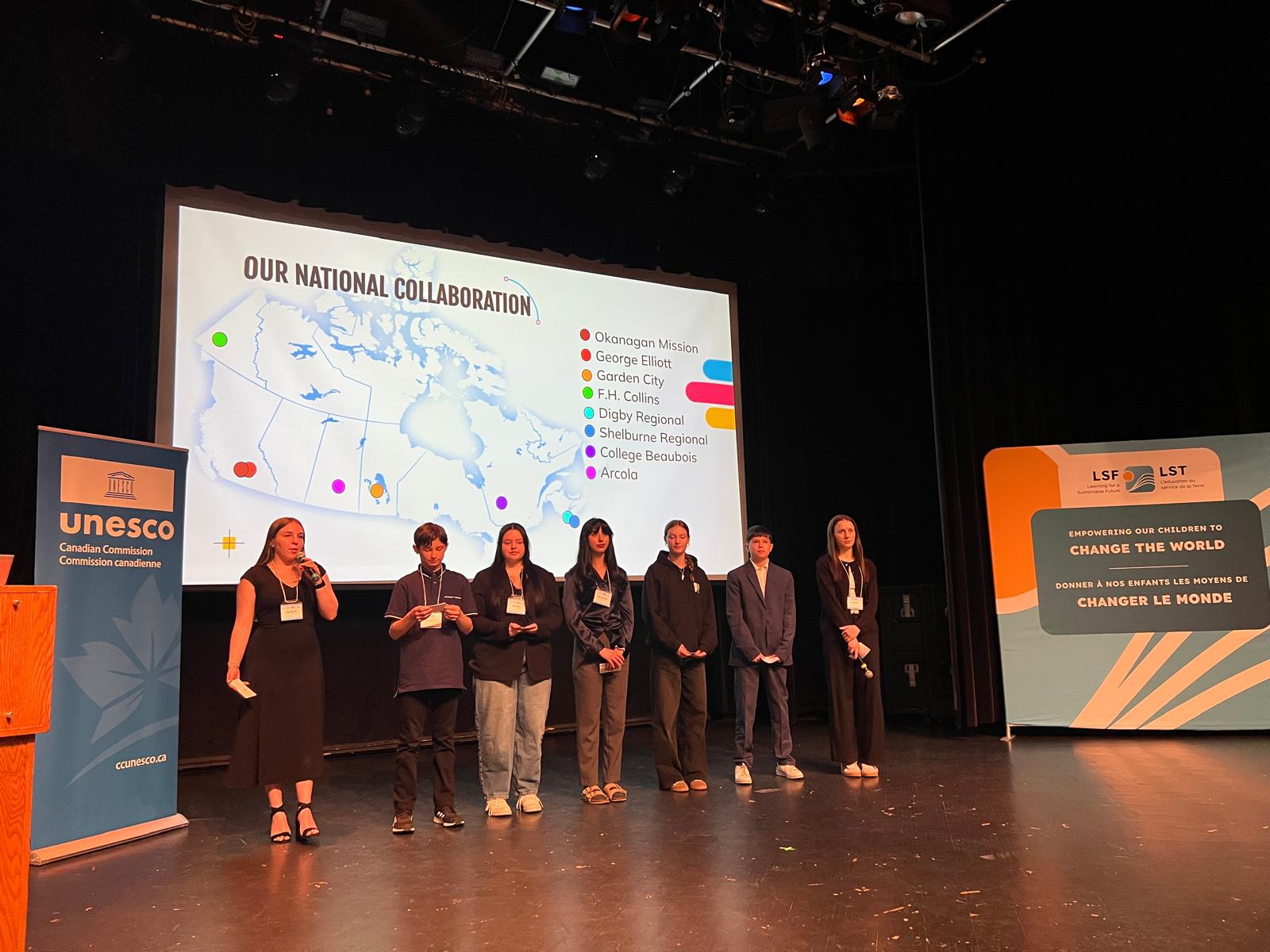
One of the highlights of the week was the public presentation of the youth-authored policy brief at the UNESCO Associated Schools National Conference 2026, as well to representatives from Environment and Climate Change Canada (ECCC) in Gatineau, Quebec. These events allowed students to bring their recommendations into national conversations and share their perspectives directly with other young people, educators, policymakers, and representatives of climate-focused NGOs.
More than a writing retreat, the gathering demonstrated the value of youth deliberation and collaborative knowledge creation on a topic of pressing political concern.
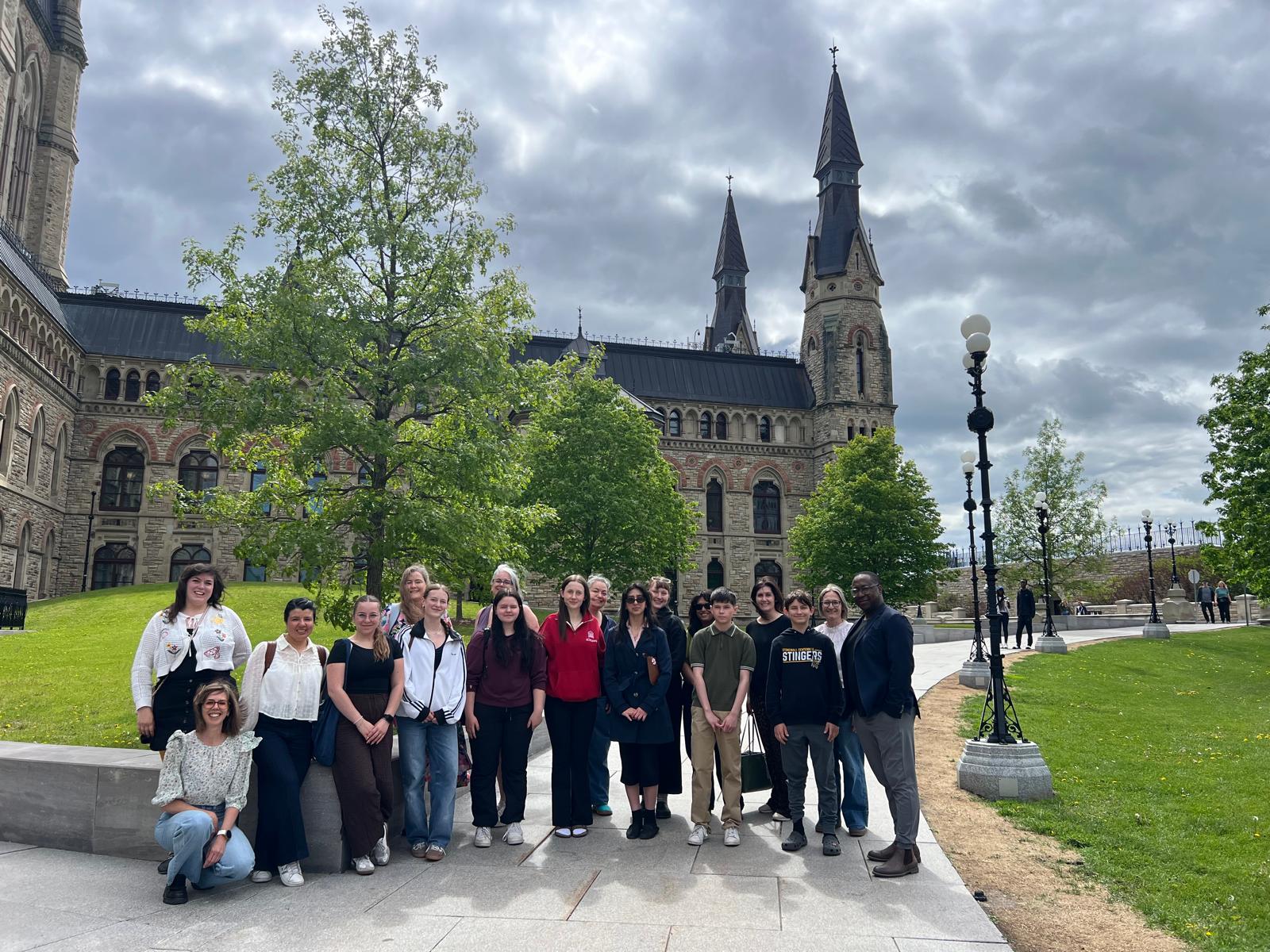
Workshop Activities
Throughout the retreat, both teachers and students worked collectively to refine written materials, exchange ideas across regions, and strengthen the shared vision of the Powering Youth Environmental Literacy Through Networked Learning initiative.
1. Collaborative Writing Sessions
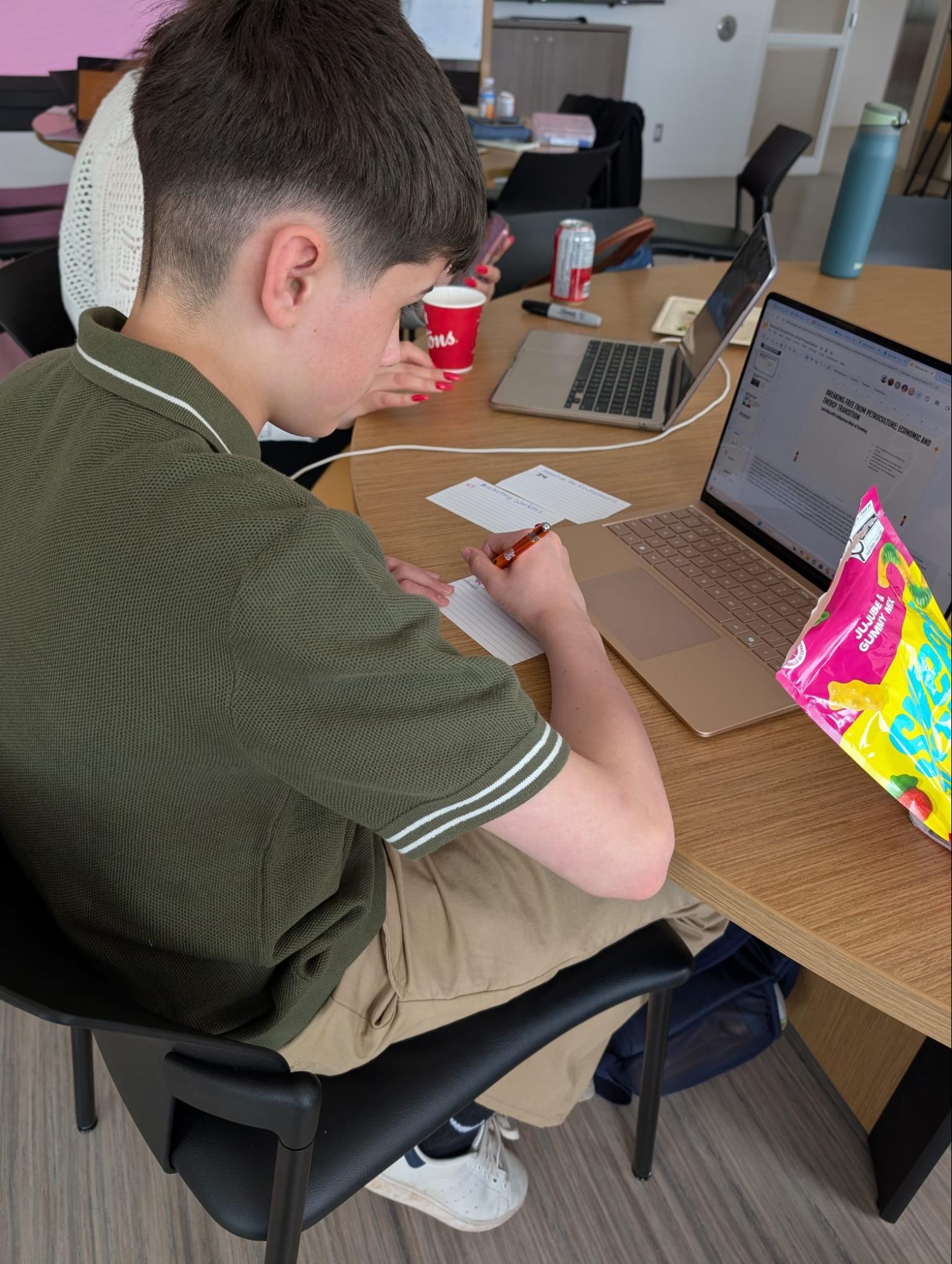
Throughout their time together in person, youth engaged in daily writing sessions focused on defining and writing Our Planet is Not a Business: A Climate Action Call from Canada's Youth. As part of their collaborative practice, they regularly shared drafts, exchanged constructive feedback, walked outside to learn from the land and air, and engaged in facilitated discussions. Working together on site, and with their friends at home via Zoom, youth revised drafts, clarified key concepts, and strengthened their policy recommendations through dialogue and deliberation.
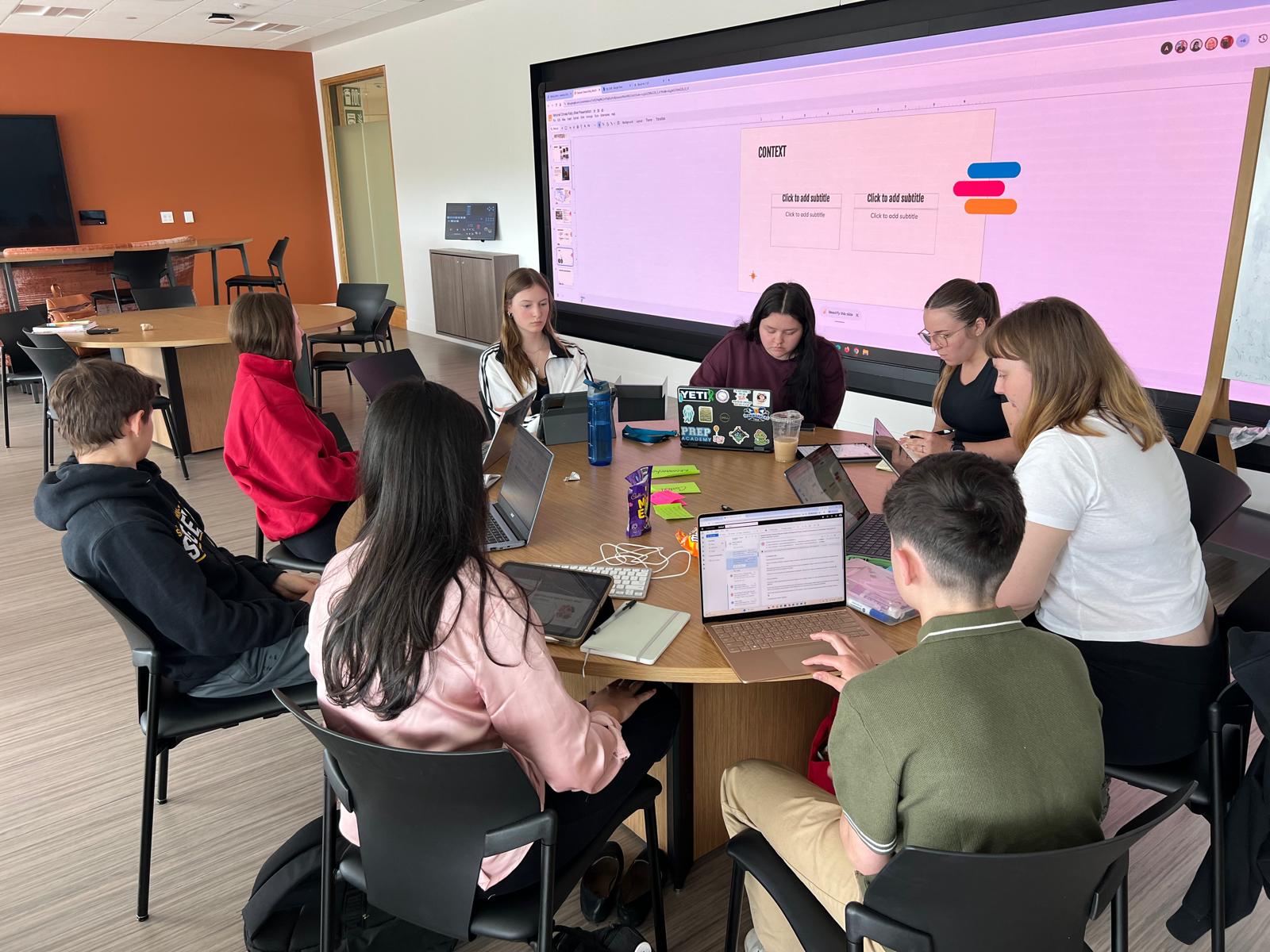
2. From Writing to Public Engagement
As the week progressed, students prepared to share their collective work with wider audiences. Together, they refined their key messages, reviewed their recommendations, and practiced how to communicate their ideas clearly and confidently. These preparations encouraged students to reflect on the importance of youth voices in public conversations about climate change and energy justice.
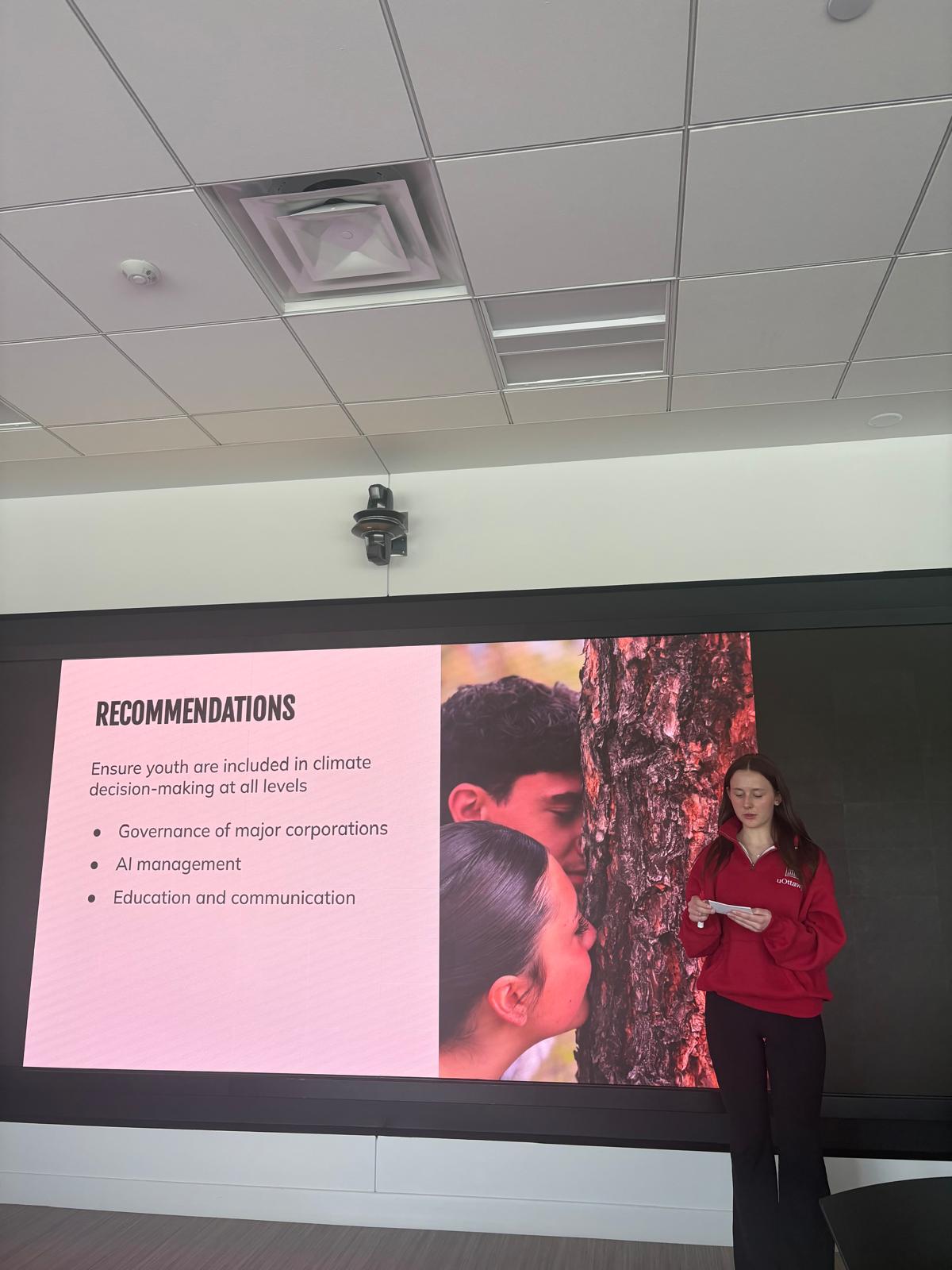
3. Connecting Youth Voices with Parliament
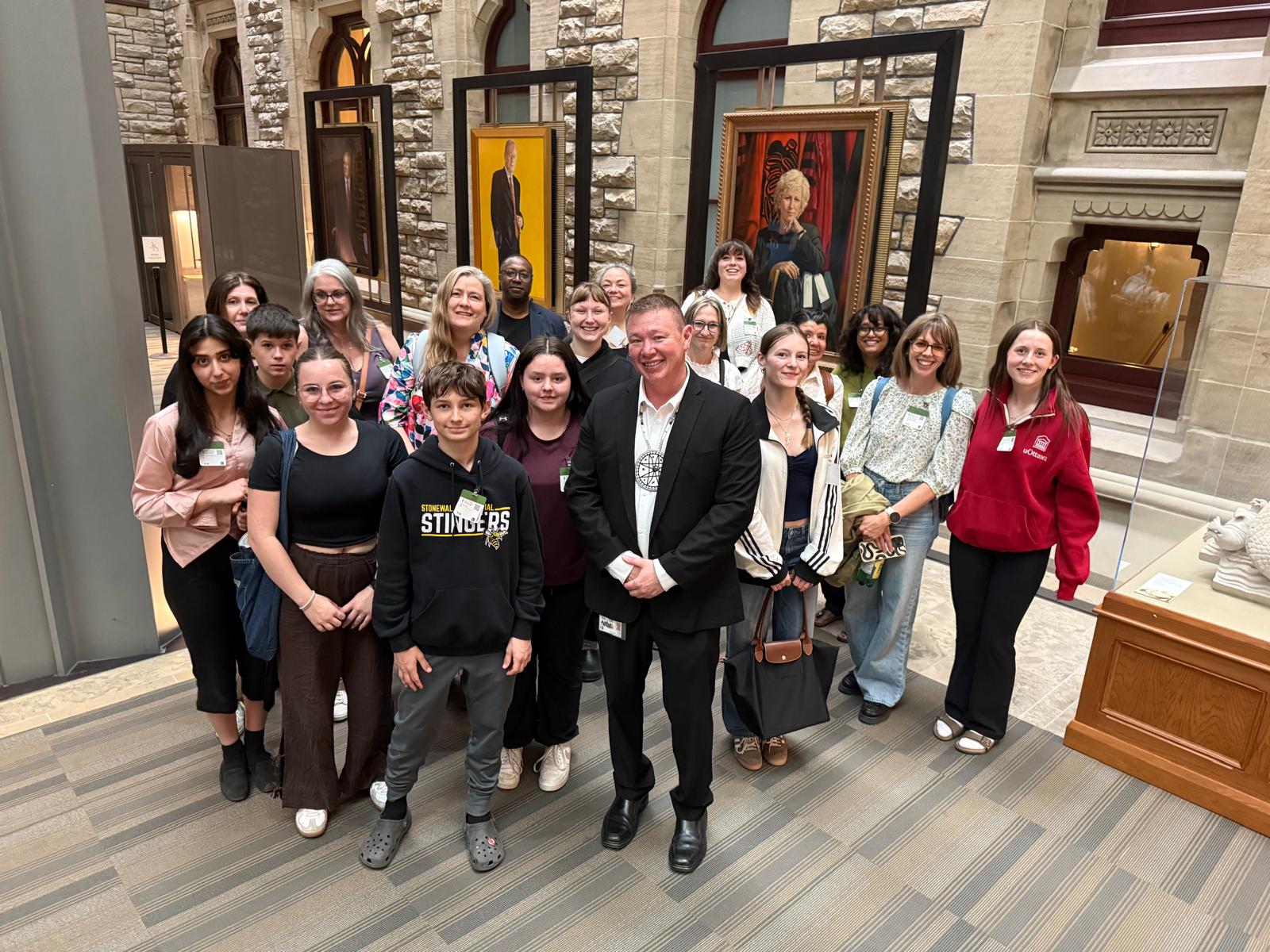
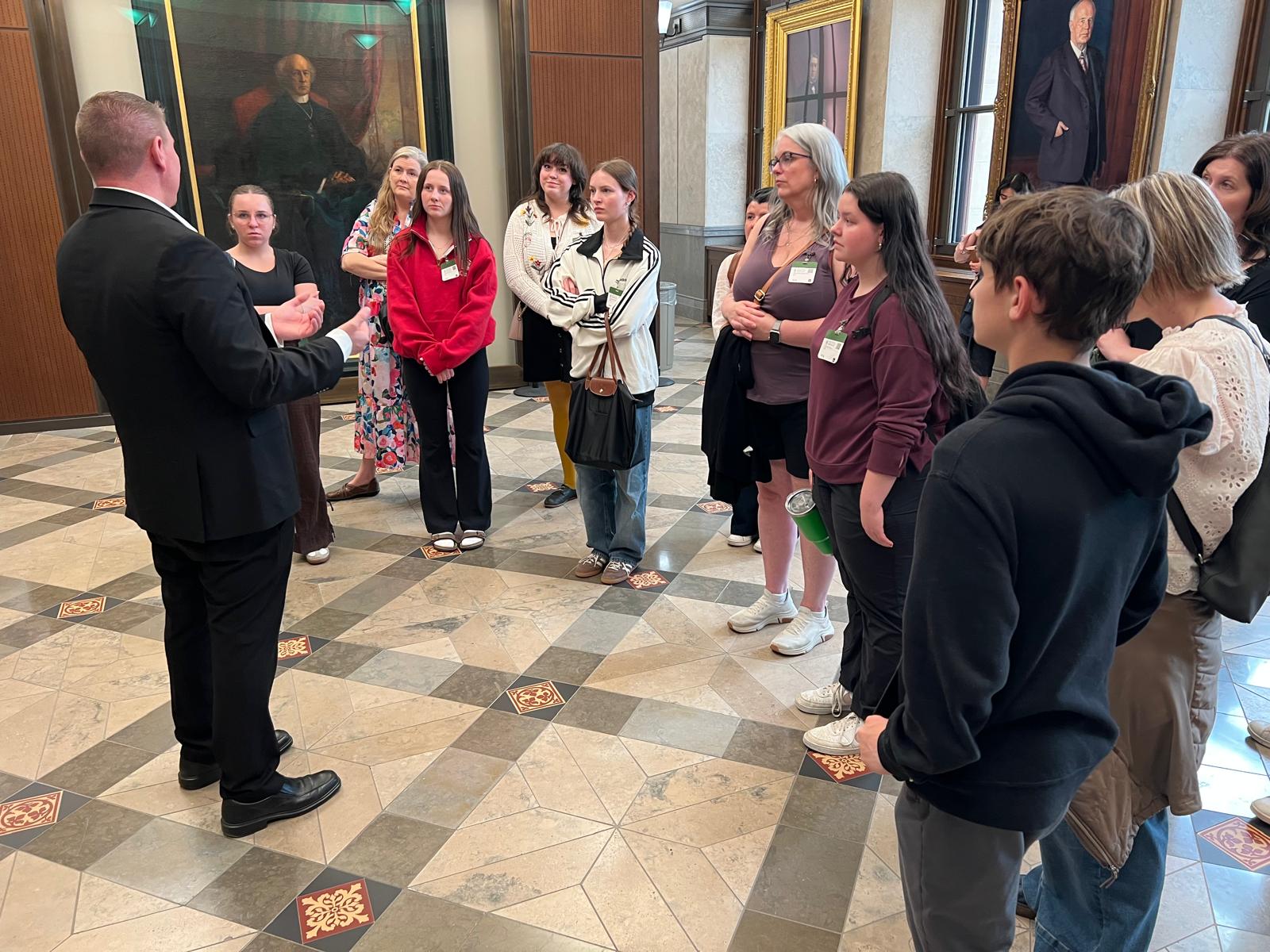
As part of this process, our crew visited Parliament Hill in Ottawa, where they learned more about the current state of national climate policy. Jaime Battiste, Member of Parliament, led the group on a tour of Parliament, welcoming the students’ contributions to climate dialogues. Sharing his own efforts in opening Bill M-35, which sought to enact standardized environmental impact labeling for commercial and food products, he motivated them to speak powerfully into the climate policy space.
What We Accomplished
The National Writers' Retreat culminated in the completion of Our Planet is Not a Business: A Climate Action Call from Canada's Youth, a policy brief representing the collective work of 118 youth from across Canada.
1. Youth Voices in National Conversations
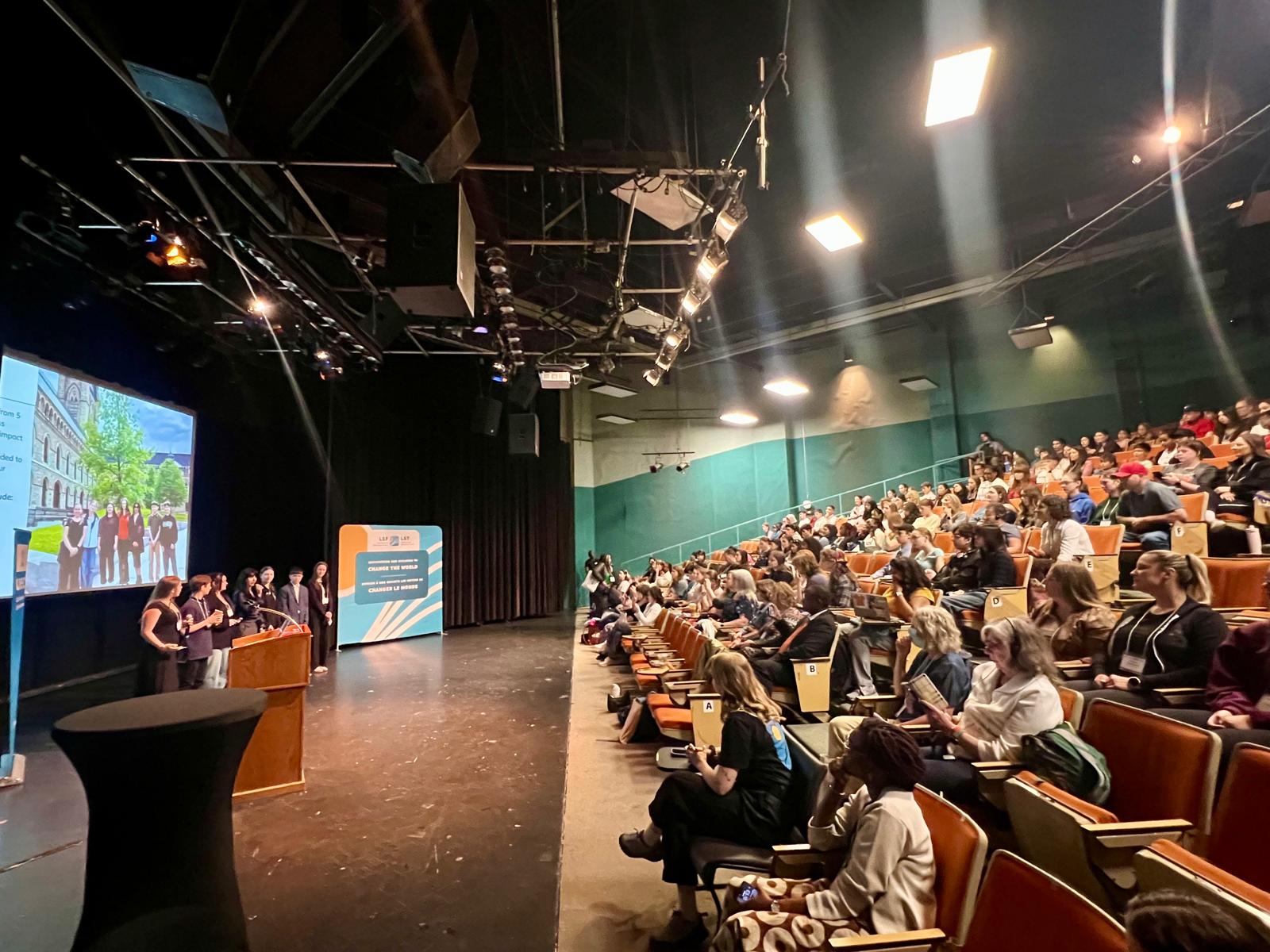
The completion of the policy brief also marked an important step in bringing youth perspectives into public and policy spaces. Students shared their work at the UNESCO Associated Schools National Conference 2026 and presented their recommendations to representatives from Environment and Climate Change Canada (ECCC) in Gatineau, Quebec. Here, students had the opportunity to communicate their ideas directly to national audiences, shaping discussions about Canada's climate and energy futures.
2. Youth Voices in the Media
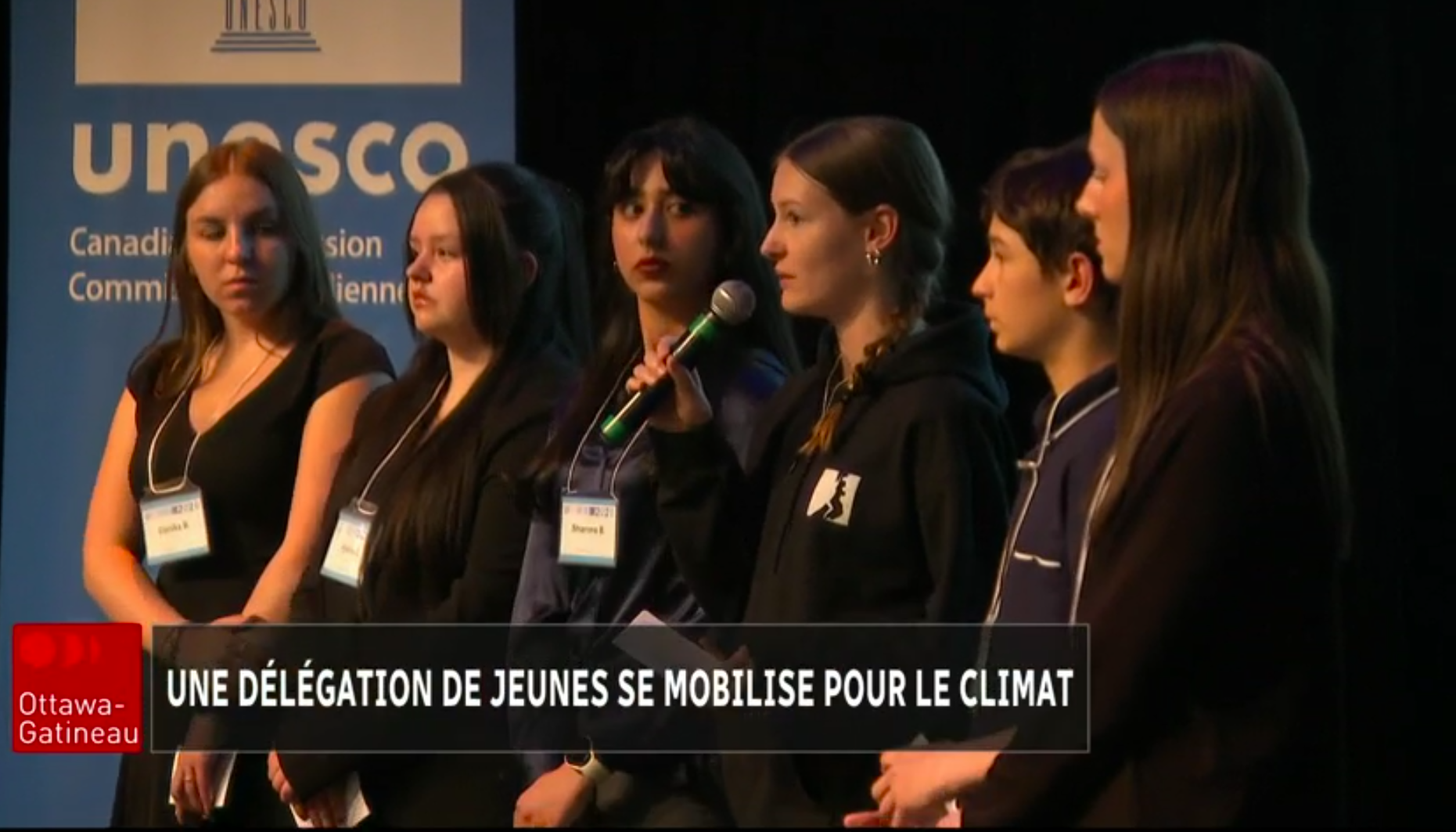
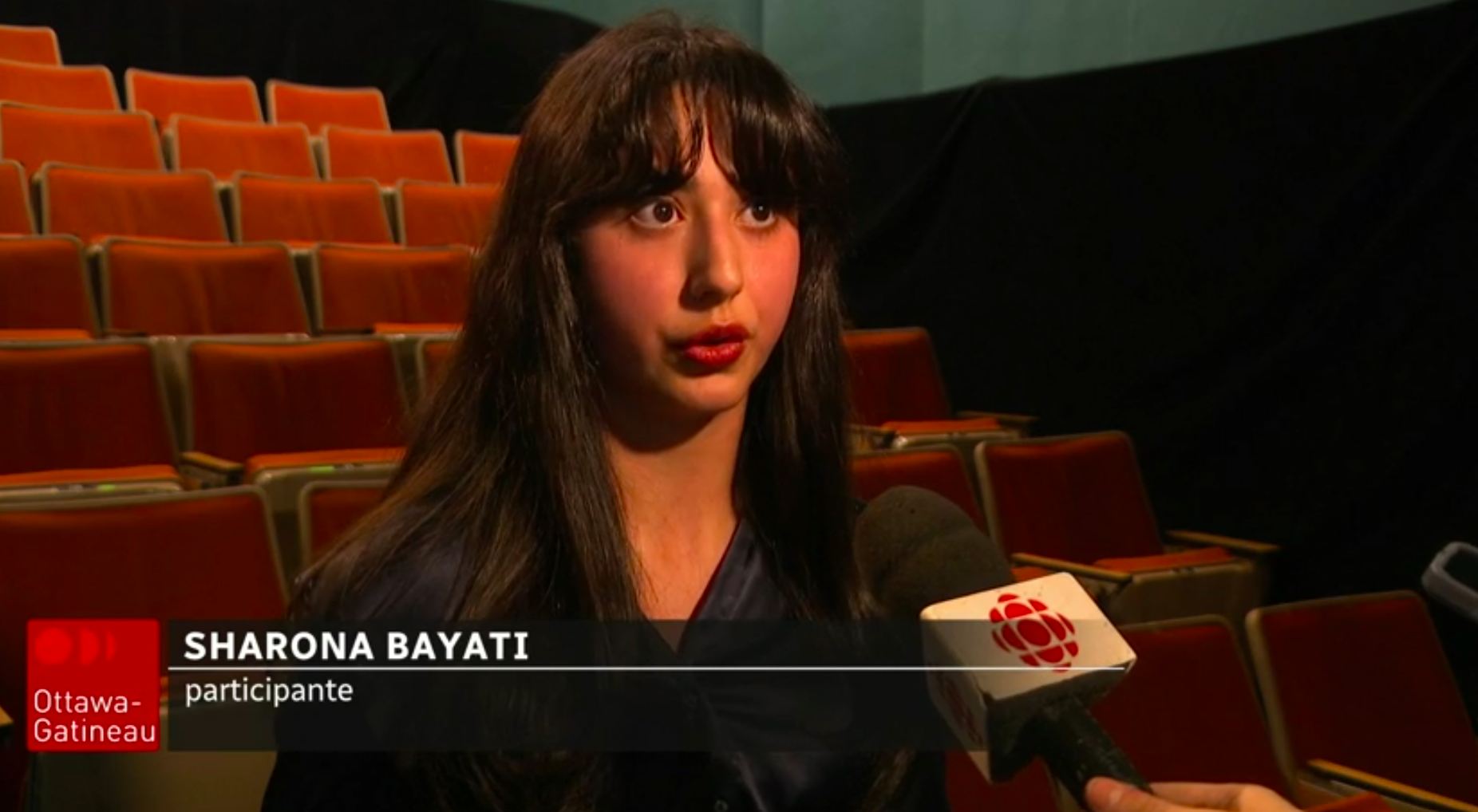
Following their presentation at the UNESCO Associated Schools National Conference 2026, French-speaking students were interviewed by Radio-Canada about their experiences and perspectives on climate change, youth engagement, and the importance of having young people involved in national conversations about their futures. It was an exciting way to share their youth policy paper with the public!
3. Bringing Youth Perspectives Home
The project created opportunities for students to bring their learning, experiences, and ideas back to their schools and communities, continuing conversations about climate action and youth participation beyond the project activities. Students were encouraged to share what they had learned, communicate their perspectives with others, and contribute to broader conversations about the climate challenges facing their communities and Canada.
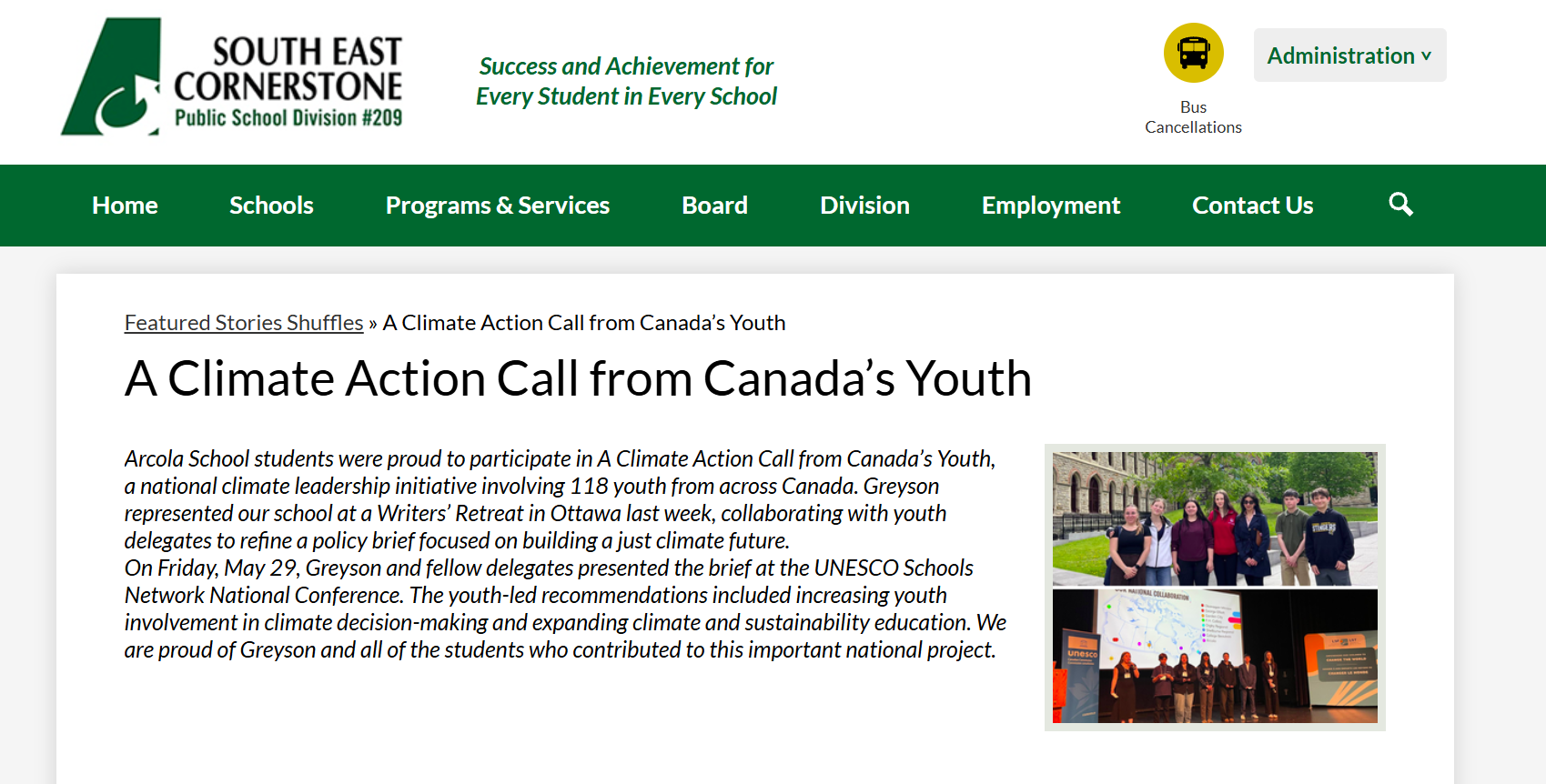
Students from Arcola School were featured in an article by the South East Cornerstone Public School Division, which highlighted the students' calls for greater youth involvement in climate decision-making and expanded climate and sustainability education, demonstrating how their work continued to reach audiences beyond the project and into their home communities.
Student Reflections
For students across Canada, the program created a space to look beyond their own communities and discover how different regions experience and understand climate and energy challenges.
By sharing their experiences and listening to one another, students began to see connections between issues that may seem local but are part of a much larger national story. Their reflections highlight how learning across differences can open new perspectives, strengthen collective understanding, and inspire young people to imagine solutions together.
"Spending time connecting as a group and collectively working on a report that in the end is so much more than just words on paper. I think to add on, knowing that our ideas are being heard and seeing how everyone involved was able to collaborate and have difficult conversations and come to a collective agreement regarding climate issues."
— Student, British Columbia
"My biggest highlight was working with different students from all over the country and even making new friends. And then together we are trying to slow down Climate Change together."
— Student, Nova Scotia
"Meeting new people and collaborating with people across the country makes a difference."
— Student, Saskatchewan
"I think that talking with others really made me realize how much more other provinces were impacted than Quebec, seeing other perspectives and how their real lives were impacted by climate change, especially in Nova Scotia and Saskatchewan."
— Student, Quebec
